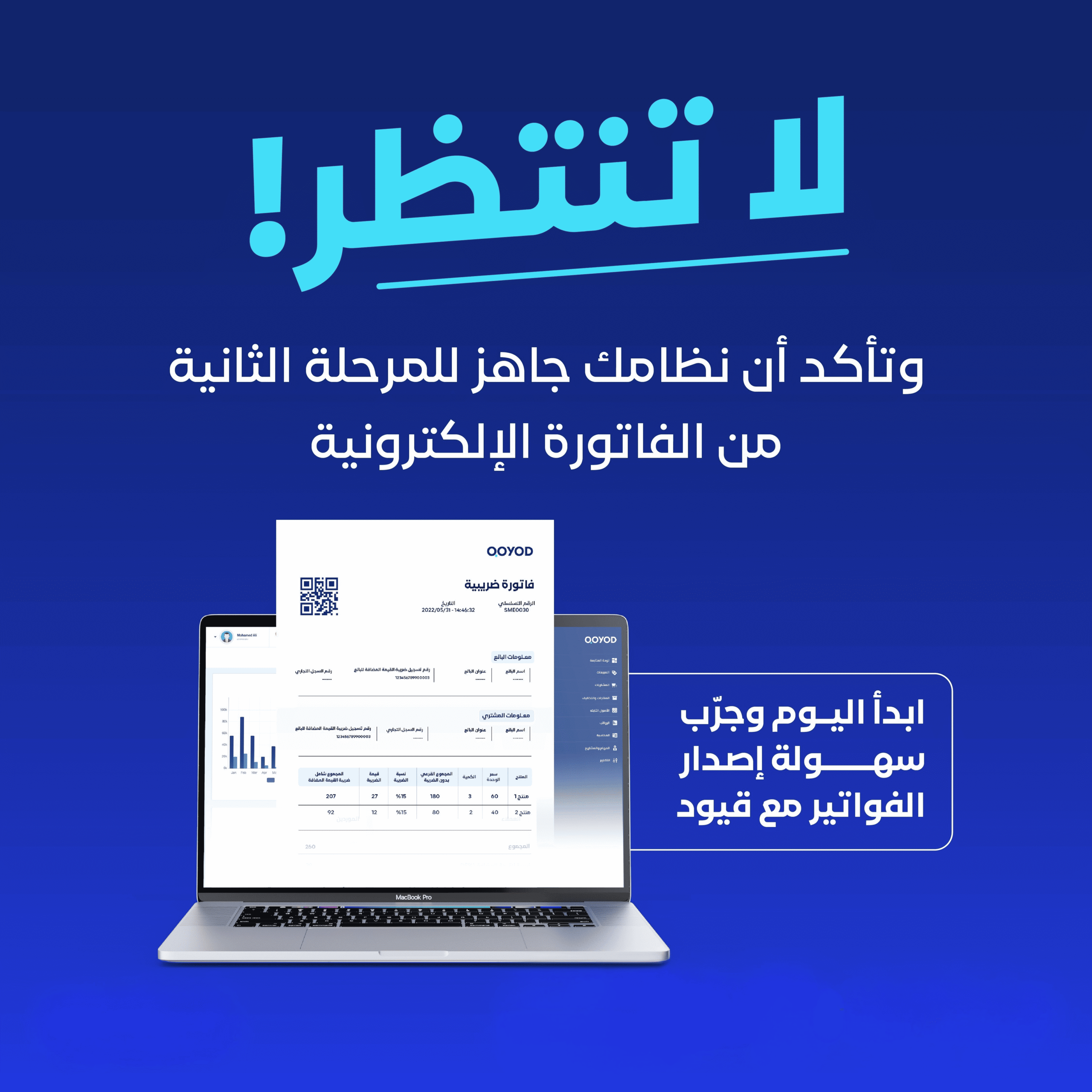
Upholstery per seat, fabric per metre and the trip to and from the house: three lines on one invoice, with the deposit paying part of it.
Whether the order comes from a homeowner or a hotel, upholstery and transport are services and the fabric is a product with its own unit.
Upholstery Accounting Software in Saudi Arabia starts on the day the fabric is chosen. In Riyadh, Jeddah or Dammam, the homeowner agrees the price per seat with the upholsterer and leaves a deposit before your workshop collects the sofa. In Qoyod, add the upholstery and the transport as services and the fabric as a product in metres, record the deposit as a receipt, then issue the sales invoice at handover and settle part of it with that receipt.
1. Where do an upholstery workshop’s numbers slip between the deposit and handover?
Before you pick accounting software for an upholstery workshop, look at what one sofa leaves behind: a price per seat agreed over the phone, a deposit noted in the upholsterer’s notebook, a fabric invoice nobody can match to an order, and a hotel that re-covers its lobby chairs and pays a month later.
A price per seat over the phone
The upholsterer agrees a price per seat and a price per metre of fabric with the customer, and on handover day the office adds the two up on a sheet of paper.
With Qoyod: add the upholstery as a service measured per seat and the fabric as a product measured per metre, and Qoyod works out each line’s value from the quantity and the unit price.
A deposit in the upholsterer’s notebook
The customer pays a deposit when choosing the fabric, the upholsterer writes it in a notebook, and the office may miss it when it works out what is left to pay.
With Qoyod: record the deposit as a receipt in the customer’s name; it stays unused until you settle the customer’s invoice with it.
Fabric with no order attached
You buy rolls of fabric from a supplier, the invoice sits in a drawer, and you cannot tell how many metres you bought or how many you sold.
With Qoyod: record the fabric invoice as a purchase in the supplier’s name, and make the rolls you keep a stored product, depending on your subscription.
A hotel that pays a month later
A hotel or an office re-covers its chairs over several orders and settles only when it receives a statement of what it owes.
With Qoyod: issue it credit sales invoices, and the customer statement shows its balance.
2. A sofa from a house in Riyadh to the workshop and back
A homeowner in Riyadh wants a seven-seat sofa re-covered in a new fabric. Follow the order in five stops; each stop adds a line to the journey card.
Stop 1: The fabric is chosen and the deposit paid
Record the deposit as a receipt in the homeowner’s name; it shows as unused because it does not belong to an invoice yet.
Stop 2: The fabric arrives from the supplier
Enter the purchase invoice in the supplier’s name for the nine metres you bought for this sofa, depending on your subscription.
Stop 3: The sofa comes back upholstered
Issue the sales invoice with seven seats of upholstery, nine metres of fabric and the transport line, and enter its prices tax-inclusive.
Stop 4: The deposit pays part of it
On the invoice press Pay and pick the deposit receipt: the receipt shows as used because its whole value is allocated, and the invoice shows as partially paid.
Stop 5: The rest is paid at handover
Record what is left as a receipt against the invoice in the cash box account, and the invoice shows as paid.
Each subscription has its limits, and some of this journey needs a higher one, so our sales team can tell you what suits your workshop.
3. Upholstery Accounting Software in Saudi Arabia: six tasks from the fabric to the last payment
Between the day the fabric is chosen and the day of handover, a workshop collects plenty of figures: seats re-covered, metres cut, transport fees and a deposit waiting for its invoice. These are six tasks whose books Qoyod keeps.
Upholstery per seat, fabric per metre
Add sofa upholstery as a product of the Service type: it is not stored and not bought, and it has a default selling price, a revenue account, a tax and a unit of measure. Because every item needs a unit, add with “+” a unit named “seat” for sofas and “piece” for single chairs, both of the type Unit of measure. Add the fabric as a product with a unit named “metre” of the type Length / distance. Then type the number of seats or metres on the invoice line, and Qoyod works out the value from the quantity and the unit price. Pick each item’s unit before its first invoice, because it cannot change once the item has been used on one.
Pickup and return as an invoice line
Add the collection of the sofa from the customer’s house and its return as one service called transport, or as two services if each direction has its own price, and put it on the same upholstery invoice with the Add more button. The transport fee then shows on the invoice and posts to the revenue account you chose for the service, and you can change the unit price on the line if you agree another price with the customer. The steps are in our guide to adding extra fees to a sales invoice as a service.
The deposit when the fabric is chosen
When the customer pays a deposit, open Customer receipts from the Sales menu, press Create customer receipt, pick the customer and enter the amount. The receipt stays unused until you allocate it to an invoice, and when you issue the sofa’s invoice you press Pay on it and pick that receipt. If the customer pays again before handover, record it as another receipt: more than one receipt can be allocated to a single invoice. The steps are in our guide to adding an advance payment as a standalone receipt.
Fabric from the supplier and rolls in the workshop
Enter the purchase invoice in the fabric supplier’s name, and settle what you owe in full or in part, depending on your subscription. What you buy for one particular order without storing it reaches the income statement as soon as the purchase invoice is recorded, depending on your subscription. The rolls of fabric you keep in the workshop you make a stored product: their quantity goes up with every purchase invoice and down with every sales invoice, and the product cost and margin report shows their available quantity and average unit cost, and relies on purchases and stock being switched on, depending on your subscription. Follow what you owe each supplier in the supplier statement, depending on your subscription.
Hotels and offices on account
When a hotel asks for a price to re-cover 40 chairs in its lobby, prepare for it, depending on your subscription, a quotation with an expiry date, then convert it into a sales invoice once its status is approved. The invoice stays a credit sale until the hotel pays, so follow its balance in the customer statement report, and compare your receivables between periods in the customer ageing report, depending on your subscription. Per-customer price lists are not supported in Qoyod, so the price you agree with the hotel for each chair goes in the unit price on the invoice line.
Returns through a credit note
Whatever comes back after the invoice is issued, such as chairs the hotel took off the order or fabric the customer returned, you record from the invoice itself: press Return invoice, pick the line and save the credit note, and the customer’s account goes down by its value while the original invoice stays as it was. If the returned fabric is a stored product, depending on your subscription, its quantity goes back into stock. If the customer had already paid for what came back, press Refund against the credit note. If you refund nothing, allocate the credit note to the same invoice.
4. Upholstery invoices and the Zakat, Tax and Customs Authority
A homeowner or a hotel?
These are the two kinds of tax invoice, by buyer:
- For an individual customer re-covering a sofa at home: a simplified tax invoice that you hand over at handover, and in Phase 2 it is reported to the Authority within 24 hours of issue, depending on your subscription.
- For a hotel, an office, a company or a government body: Qoyod issues a tax invoice that the Authority clears first, before it reaches the customer, and Phase 2 linkage with the Authority is available depending on your subscription.
The tax on every line
Every service and product you define takes a default tax picked from the taxes set up for your business, which appears on the invoice line where you may change it, and if you switch on Inclusive on the line, the price you type includes the tax. In the Kingdom, the standard VAT rate is 15%. At the end of each period the VAT return form report gathers your invoice figures, and you file the return yourself on the Authority’s portal.
Phase 2 linkage with the Authority is available depending on your subscription, so ask sales about it.
5. What you follow in the workshop and what your accountant reviews
Your accountant, or the accounting firm that keeps the workshop’s books, works in the same accounts in Qoyod. You only need to know who has paid a deposit and who still owes something; they take care of reviewing the documents and the reports.
What you follow
- Every deposit receipt and its status: unused, partially used or used.
- The balance of each hotel and office in the customer statement.
- What you collected on handover day in the cash box account or the bank account.
- The available quantity of each stored fabric, depending on your subscription.
What your accountant reviews
- Every document: sales invoices, receipts and credit notes, plus purchase invoices and quotations depending on your subscription.
- The income statement, the balance sheet and the trial balance.
- The VAT return form report at the end of each period.
- Reports exported as Excel or PDF.
Your accountant can have a user account in Qoyod with the role and permissions you set, depending on the number of users in your subscription.
6. Other Qoyod products
The workshop’s books belong in Qoyod Accounting, while the payroll and attendance of your upholsterers and transport staff belong in Qoyod HR, a separate product on its own subscription.
Qoyod HR
For an upholstery workshop with upholsterers and staff in one branch or more.
Qoyod HR is a Saudi HR system, and the connection to Qoyod Accounting is now available.
- Payroll with earnings, allowances, deductions and advances, and the WPS file ready from the payroll run itself.
- Attendance across your branches, with late hours and overtime carried into the payroll.
- Every document in the employee file, such as the iqama and the contract, with its expiry date and an alert before it.
7. Frequently asked questions
Which invoice do I issue to a homeowner, and which to a hotel or a company?
A homeowner is an individual customer, so they get a simplified tax invoice that in Phase 2 is reported to the Authority within 24 hours of issue, depending on your subscription. For a hotel, an office, a company or a government body, Qoyod issues a tax invoice that the Authority clears before it reaches them, and Phase 2 linkage with the Authority is available depending on your subscription.
How do I record the deposit a customer pays when choosing the fabric?
From the Sales menu open Customer receipts, press Create customer receipt, pick the customer, enter the deposit’s amount and save. The receipt stays unused as long as it is not allocated to an invoice; when you issue the upholstery invoice, press Pay on it and pick the receipt, and it shows as used once its whole value is allocated. More than one receipt can be allocated to a single invoice.
How do I price upholstery per seat and fabric per metre on one invoice?
From Products and costs press Create products and costs, add the upholstery as a product of the Service type and the fabric as a product, and pick a unit of measure for each or add it with “+” if it is missing: “seat” for the upholstery and “metre” for the fabric. On the sales invoice pick the first line, add the rest with Add more, and type the number of seats and metres. If you price single chairs per piece, add a separate service for them, because an item’s unit cannot change once the item has been used on an invoice.
How do I handle a hotel that re-covers its chairs and pays a month later?
Issue it a credit sales invoice for each order, record what it transfers as a receipt against its invoice in the bank account, in full or in part, and follow its balance in the customer statement report and, between periods, in the customer ageing report, depending on your subscription. Per-customer price lists are not supported in Qoyod, so if you agree another price with the hotel, type it in the unit price on the invoice line.
Does Qoyod plan pickup and delivery times or track each piece inside the workshop?
Qoyod is accounting software, and this page covers sales invoices, receipts, credit notes and customer balances, plus quotations, suppliers, purchase invoices and stored products depending on your subscription. Pickup and delivery times and tracking each piece in the workshop are not shown here.
Does the free trial include quotations and fabric purchases?
No. The free trial starts with accounting, sales invoices, customer receipts and credit notes. It does not include quotations, suppliers, purchase invoices or stored products, nor Phase 2 linkage with the Authority or more than one user. These depend on your subscription. Each subscription covers a different scope, so ask sales which one suits your workshop.
So an upholstery workshop’s accounts come together in one place: seats, fabric and transport on one invoice, the deposit on a receipt, and a statement for every hotel and office.