A pharmaceutical company sits between the manufacturer or overseas supplier and thousands of dispensing points: independent pharmacies, pharmacy chains, hospitals, and polyclinics. Every item carries a different cost, tax treatment, and credit term. This guide covers the accounting software that runs that cycle accurately.
How pharmaceutical companies operate and what makes their books different
A pharmaceutical company in Saudi Arabia is primarily a wholesale and distribution business. It buys in bulk from local manufacturers or overseas suppliers, stores stock in warehouses licensed by the Saudi Food and Drug Authority (SFDA), then distributes to customers whose buying behaviour differs sharply. An independent pharmacy orders small quantities frequently, a pharmacy chain negotiates volume pricing and rebates, and a public hospital buys against purchase orders with long payment terms.
The first accounting difference is tax treatment. A large share of items is zero-rated as qualifying medicines and medical equipment, while other items in the same warehouse carry the standard 15% rate: cosmetics, supplements, and non-qualifying supplies. A single invoice can carry both, and a misclassification shows up directly in the VAT return.
The second difference is that working capital is tied up in stock and receivables at the same time. The company pays suppliers in cash or on short terms and sells to pharmacies and hospitals on credit that can run for months. That gap is the core of working-capital management in this sector, and it decides whether the next order can be funded.
The main accounting challenges in pharmaceutical distribution
Owners of pharmaceutical companies in Saudi Arabia report a similar set of problems, and all of them are solvable with a system that understands distribution accounting.
1. Mixing zero-rated and standard-rated items. One pharmacy invoice can carry a zero-rated medicine and a 15% supplement. Booking the invoice at a single rate distorts both the tax due and the sales report, and the error surfaces at return time rather than at the point of sale.
2. Multiple price tiers per customer. Price varies by order size, customer type, and annual rebate agreements. Keeping those tiers in side files turns every invoice into a judgement call by a sales rep and produces differences the customer spots before the accountant does.
3. Frequent returns. Returning short-dated or damaged items is normal practice with pharmacies. A return handled as a manual edit to the original invoice, rather than as a proper credit note, leaves stock, tax, and receivables showing three inconsistent numbers.
4. Slow collection from hospitals and chains. Long payment terms lock a large part of revenue into receivables. Without a current ageing report, the owner keeps measuring success by sales while the real problem is collection.
What a pharmaceutical company specifically needs from its accounting software
General accounting software does not absorb the specifics of pharmaceutical distribution. The table below shows the practical difference.
| Task | General accounting software | What a pharmaceutical company needs |
|---|---|---|
| Item tax treatment | One rate per invoice | Per-item: standard, zero-rated, exempt |
| Inventory | One aggregate balance | Per-item balance per warehouse with recorded transfers |
| Pricing | A single selling price | Price tiers and discounts by customer type |
| Returns | Manual edit to the invoice | Credit note that corrects stock and tax together |
| Collection | Tracked outside the system | AR ageing, statements, automated reminders |
| Batch and expiry tracking | Not supported | Specialised warehouse system linked via API |
Beyond the table, three additional capabilities matter:
- Profitability reports by customer and by item that expose the pharmacies whose discounts eat the margin and the items that turn slowly despite high purchase volume.
- A reorder point per item with an alert at the minimum level, so purchasing decisions do not depend on the warehouse keeper’s memory.
- Measurable inventory reporting that ties stock value to turnover, such as days inventory outstanding, to estimate how long an item sits on the shelf before it sells.
How to organise a pharmaceutical company’s books step by step
Six ordered steps, each building on the one before it:
E-invoicing and tax compliance for pharmaceutical companies
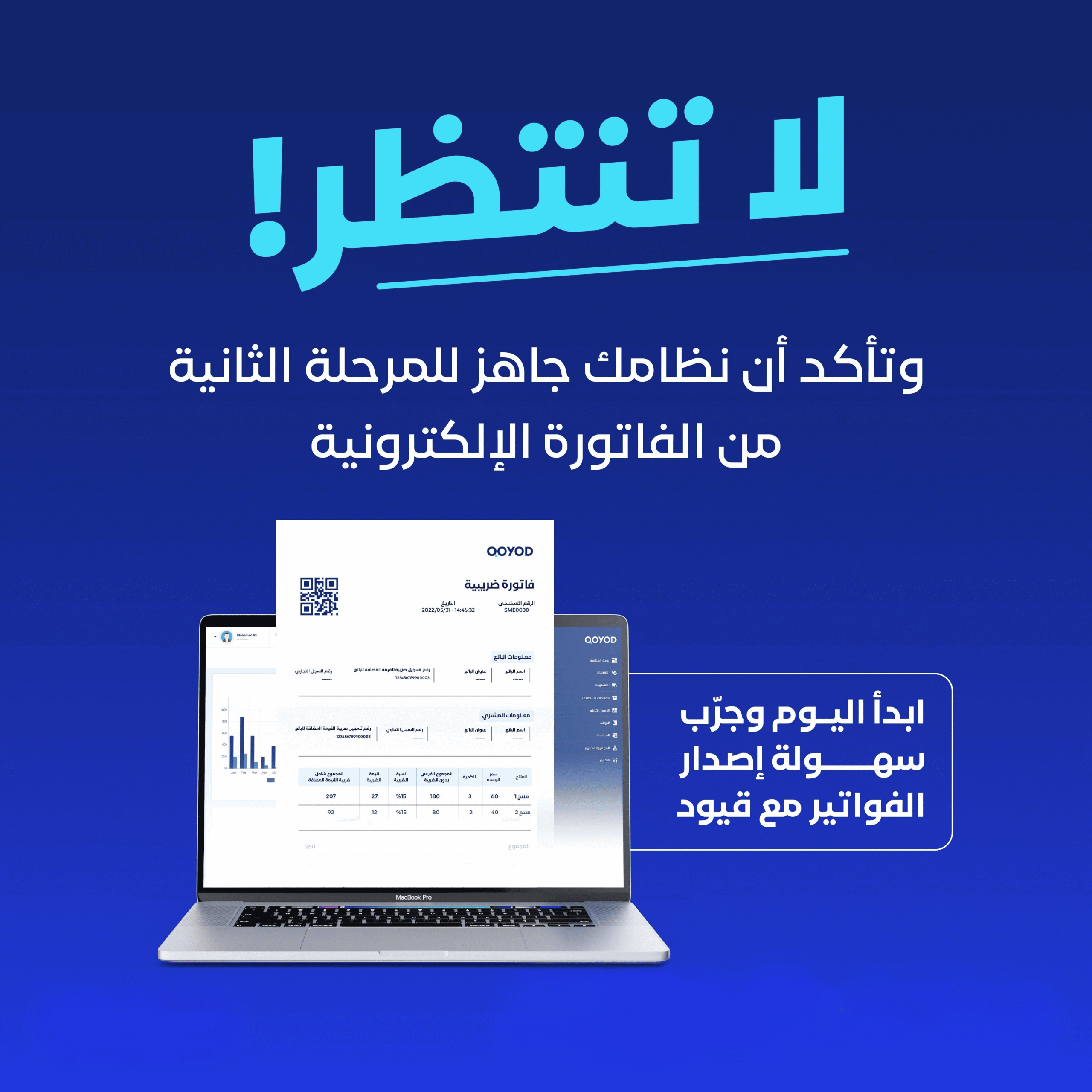
Pharmaceutical companies must issue e-invoices under Phase 2 of the Fatoora system. Most sales in this sector are business to business, meaning full tax invoices that go through integration and clearance with the Fatoora platform before being handed to the customer. Direct sales to individuals are rare here, and where they occur a simplified tax invoice is issued instead.
The sensitive point in this sector is the item’s tax status. Supplies of qualifying medicines and medical equipment are zero-rated rather than exempt, and that distinction matters because zero-rating preserves the right to deduct input tax. Phase 2 e-invoices carry the zero-rated or exemption reason code per line, so item classification must be correct in the system before the first invoice is issued.
How to evaluate a certified provider for this sector
When choosing an e-invoicing provider, check these six criteria:
- Phase 2 readiness with direct integration to the Fatoora platform.
- Tax classification at item level, not invoice level.
- Support for zero-rated and exemption reason codes on invoice lines.
- Credit notes linked to the original invoice for handling returns.
- A tax report that splits standard-rated, zero-rated, and exempt sales automatically.
- Cloud retention of invoices for the required statutory period.
Where Qoyod specifically helps pharmaceutical companies
Qoyod is cloud accounting software with e-invoicing certified for the Zakat, Tax and Customs Authority. It classifies each item with the correct tax treatment across standard, zero-rated, and exempt, carries the reason code on Phase 2 invoice lines, and produces a tax report that splits sales by category.
On the inventory side, the system manages multiple warehouses and branches, shows each item’s balance per location, and records stock transfers with their accounting impact and average-cost update. A reorder point per item triggers an alert before a stockout. Collection is tracked through the AR ageing report, customer statements, and automated payment reminders for overdue invoices.
Batch and expiry tracking stays where it belongs, in a specialised pharmaceutical warehouse system. Connecting it to Qoyod through the API keeps the pharmaceutical tracking in place and passes the financial impact to the accounting system. For companies that prefer to delegate the accounting work, the bookkeeping service and the VAT filing service are available from Qoyod’s professional services.
Frequently asked questions
Does Qoyod handle zero-rated items on pharmaceutical invoices?+
Does Qoyod track batch numbers and expiry dates for medicines?+
Can Qoyod manage several warehouses in different cities?+
How does Qoyod help collect from pharmacies and hospitals?+
Is Qoyod suitable for a small distributor with one warehouse?+
How long does migrating an existing pharmaceutical company to Qoyod take?+
Running a pharmaceutical company requires a system that separates item tax treatment, knows each warehouse’s balance, and follows pharmacy and hospital collection as it happens. The difference between a company that knows its profit per customer and one whose sales grow while cash tightens comes down to organised accounting software. That is what makes Qoyod a fit for pharmaceutical companies in Saudi Arabia, as it is for pharmacies and storage companies alike.