A water bottling factory in Saudi Arabia produces millions of bottles per month across several SKUs (200ml, 330ml, 500ml, 1.5L, 5-gallon), buys PET preforms and caps in bulk, runs production lines that consume electricity and water continuously, sells through distributors at tiered prices, operates a delivery fleet across regions, and issues thousands of ZATCA e-invoices per day. Each production batch ties to a specific raw material lot, every distributor has a negotiated price book, and bookkeeping discipline on batch costing separates plants that know their gross margin per SKU from those running blind.
What makes water bottling accounting different
A bottling plant is a continuous-process manufacturer, not a job-shop. Raw materials (PET preforms, caps, labels, shrink wrap, source water treatment chemicals) flow into production lines that run 16 to 24 hours a day, and finished goods leave for distributor warehouses by the pallet. Per-batch costing, per-SKU margin, and per-distributor price discipline are the three numbers that decide whether the plant is profitable.
Water bottling accounting revolves around five connected pieces: production-batch costing with raw material lots and line overhead, per-SKU finished-goods costing, distributor pricing tiers with volume rebates, fleet logistics cost per delivery route, and ZATCA tax invoice on every B2B distributor invoice plus simplified tax invoices on direct retail.
Daily reality is thousands of postings: PET preform receipts, production run logs, line consumables, finished-goods transfers, distributor sales orders, delivery dispatches, fleet fuel and maintenance, and the periodic raw material reconciliation. Every uncosted batch hides a margin leak, and every untracked distributor rebate is a year-end accrual surprise.
The most common accounting challenges in bottling plants
Every water bottling factory in Saudi Arabia runs into the same four recurring problems. They share one root cause: production posts to a single inventory account, and distributor pricing lives in an Excel sheet.
1. Production batches not costed. A four-hour run on Line 2 consumed 80,000 preforms, 80,000 caps, 60kg of label stock, 4,200 kWh of electricity, and 3 operator-shifts. Without batch costing, all of it lands in one COGS bucket and the per-SKU gross margin is a guess. The plant cannot tell whether the 500ml SKU is making 18% or losing 2%.
2. Distributor price tiers managed manually. The plant has 45 distributors across four regions, each with a tier (A, B, C) tied to monthly volume and a quarterly rebate. Pricing lives in a spreadsheet, invoices get the wrong tier price, and rebate accruals are estimated at year-end instead of recognized as volume crosses thresholds.
3. Fleet logistics cost not allocated per route. The plant runs 22 delivery trucks across Riyadh, Jeddah, Dammam, and the central region. Fuel, maintenance, driver salary, and depreciation all sit in one logistics-expense bucket, so the plant has no idea which routes are profitable and which subsidize low-volume distributors.
4. Raw material variance not investigated. Standard usage on a 500ml line is 1.02 preforms per bottle (accounting for breakage). When actual usage drifts to 1.08, that 6% variance becomes invisible until the annual stock count surfaces a six-figure shrink. By then the line has been bleeding for months.
What a bottling plant actually needs from its accounting software
A generic accounting tool was built for one-time sales of finished goods, not for continuous-process manufacturing with multi-tier distributor pricing. The difference is concrete:
| Task | Generic accounting tool | What a bottling plant needs |
|---|---|---|
| Production costing | Monthly COGS adjustment | Per-batch with raw material lots |
| SKU margin | Average across all SKUs | Per-SKU per-batch gross margin |
| Distributor pricing | Single price list | Tiered price book with rebates |
| Fleet cost | Single expense line | Per-route per-truck allocation |
| Raw material variance | Annual stock count | Live variance vs. standard usage |
| E-invoicing | B2B only | B2B distributors plus direct retail |
Beyond the table, a bottling plant specifically needs three capabilities that generic platforms do not deliver:
- Batch-level production costing, where every production run carries the actual raw material lots consumed, line electricity, labor, and a share of factory overhead, posting the unit cost into finished-goods inventory at the right per-SKU value.
- Distributor pricing tiers with automatic rebate accrual, so a tier-A distributor crossing the monthly volume threshold triggers a rebate accrual the same period, not a year-end surprise.
- Per-route fleet cost allocation, where fuel, maintenance, and driver cost post against the right delivery route, with ZATCA-certified tax invoices on every B2B distributor sale plus simplified invoices on direct retail.
How to organize a bottling plant’s books step by step
Moving a water bottling plant to integrated accounting takes around four to six weeks depending on line and SKU count. This is the sequence Qoyod applies with every new bottling-plant customer:
E-invoicing and ZATCA compliance for bottling plants
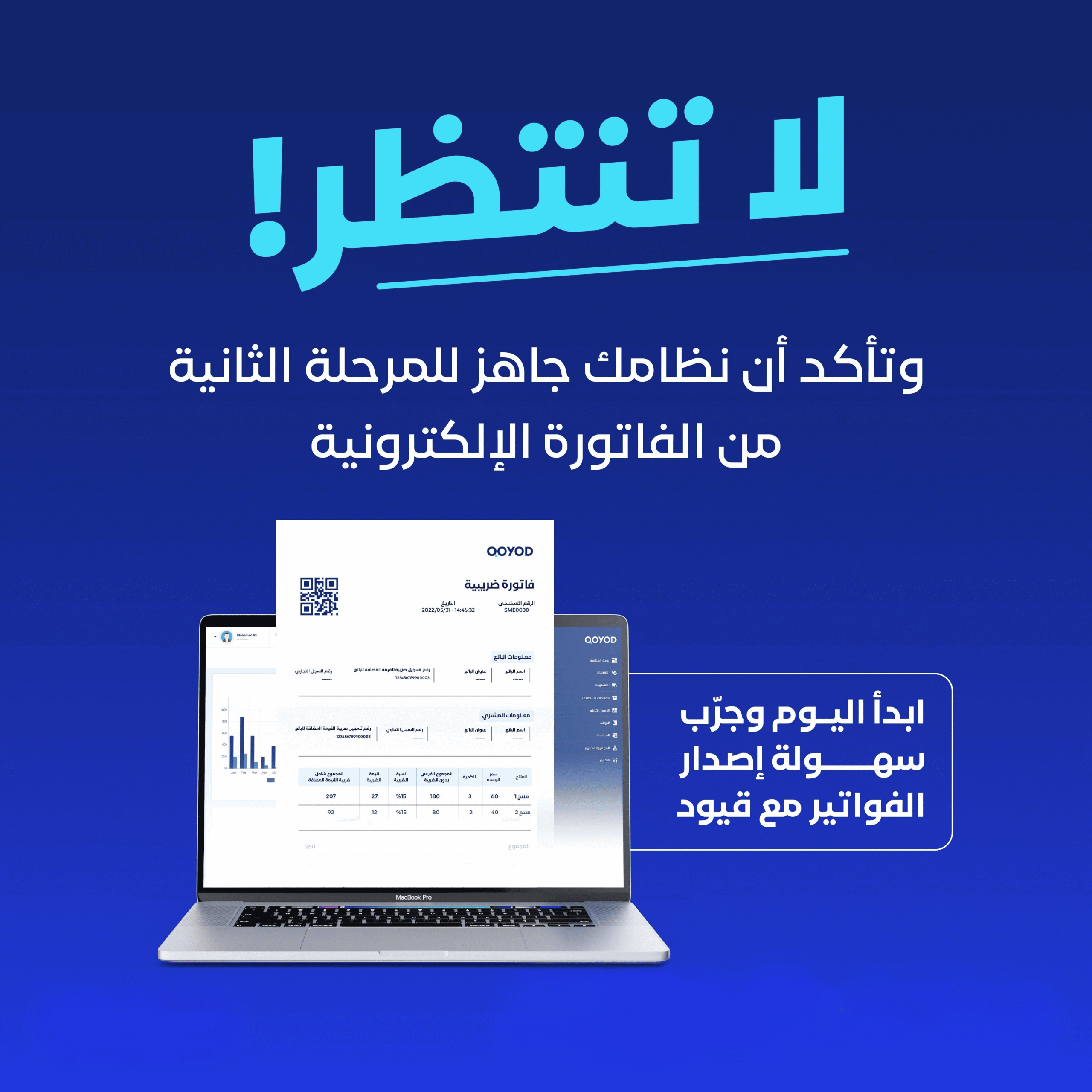
Phase two of ZATCA e-invoicing requires every distributor invoice and every direct-retail receipt to be issued through a certified system connected to the Fatoora platform. Bottling plants issue both B2B tax invoices on distributor sales through the Clearance flow and simplified tax invoices on direct retail through the Reporting flow. For a side-by-side view of vendor costs, read the guide on e-invoicing pricing in Saudi Arabia.
Every distributor invoice must include the plant name and tax number, the buyer name and tax number, a sequential invoice number, the date and time, an itemized list with SKU, quantity, unit price, VAT at 15%, totals before and after VAT, and a QR code. A certified system generates the QR code, signs the invoice in XML, and transmits it to the Fatoora platform automatically inside the Clearance window.
How to evaluate a ZATCA-certified system for a bottling plant
When evaluating any e-invoicing vendor for a plant, verify these six criteria:
- Official ZATCA phase-two certification with a verifiable approval number on the Authority’s portal.
- Both Reporting (direct retail) and Clearance (B2B distributor) flows in one system.
- High-throughput batch invoicing for thousands of distributor invoices per day.
- Rebate handling that reduces taxable base in the right period.
- Long-term cloud storage of signed invoices for at least six years.
- Monthly input-VAT and output-VAT reports ready in time for the quarterly filing deadline.
Where Qoyod fits in specifically for water bottling plants
Qoyod brings together, inside one account: cloud accounting with line, SKU, and route dimensions, batch-level production costing with raw material lots, distributor pricing tiers with automatic rebate accrual, per-route fleet cost allocation, ZATCA-approved e-invoicing for both B2B and direct retail, payroll, and consolidated reports. Every production batch, distributor invoice, rebate, and delivery lands an automatic journal entry inside the same ledger.
The platform handles multi-plant and multi-warehouse operations under one account, with shared master data (SKUs, distributors, routes, COA), role-based permissions per plant, and either consolidated or per-plant reports. It runs entirely in the cloud, so plant managers, the head office, and the external auditor share the same numbers from any device.
For plants opening new lines or migrating from spreadsheets, the setup service and the bookkeeping service are available as part of Qoyod Pro Services, alongside the app marketplace for connecting to logistics and route-planning partners.
Frequently asked questions
Does Qoyod cost production batches automatically for bottling plants?+
How does Qoyod handle distributor pricing tiers and rebates?+
Can Qoyod track fleet cost per delivery route?+
Does Qoyod handle both B2B distributor and direct retail e-invoicing?+
Does Qoyod work for multi-plant bottling operations?+
Is technical support available 24/7?+
Running a water bottling plant does not need a generic accounting tool, it needs an operating ledger that ties batch costing, distributor rebates, fleet routes, and ZATCA e-invoicing together inside one account. The plants that consistently grow are the ones that see per-SKU and per-route margin every week. That capability is what makes Qoyod the right fit for water bottling plants in Saudi Arabia.