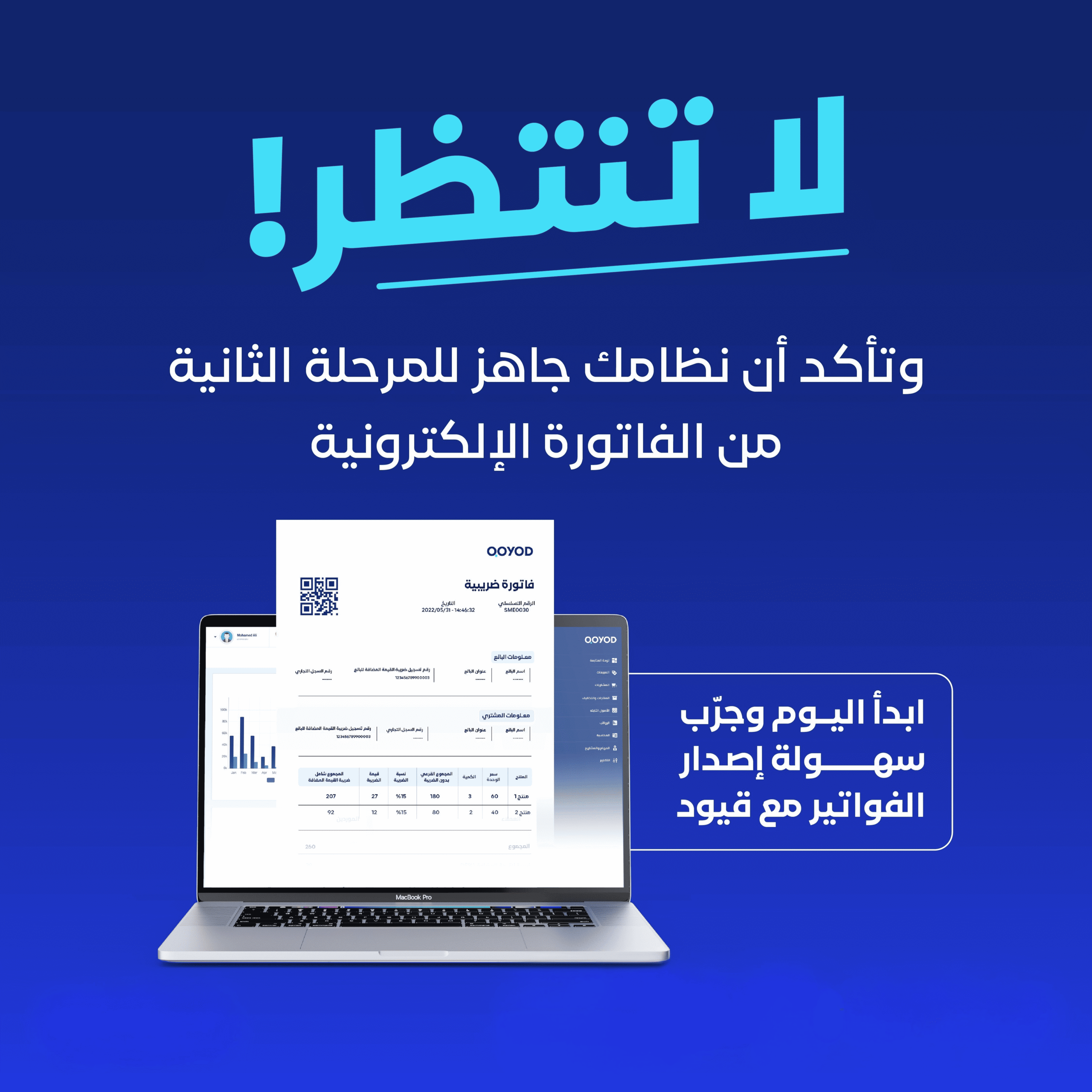
The fee for opening a door or cutting a key and the price of the new lock go on one sales invoice, paid in cash or by card.
At the customer’s door or behind the counter, the fee goes in as a priced service and the lock or blank key as a product on the same invoice.
Locksmith Accounting Software in Saudi Arabia starts with one invoice for what the customer took: the fee for the opening, the cutting or the fitting, and the lock the shop sold. In Riyadh, Jeddah or Dammam some customers pay part in cash and the rest by card. In Qoyod, add each job as a “Service” product and each lock or blank key as a product, issue the sales invoice, then record the cash part and the card part as receipts on the cash and bank accounts, and the invoice shows as Paid.
1. Where do a locksmith shop’s numbers get lost?
Before you choose accounting software for a lock and key shop, watch one day: keys cut on the counter for cash, a door opened and paid for by card, cylinders and blank keys that run down with nobody counting, and a property management company whose account lives in a notebook.
One price for the door and the lock
You quote the customer a single figure that covers opening the door and the lock you fitted, so you cannot tell how much was labour and how much was a part.
With Qoyod: make every job a service with its own price and the lock a product, then give each a separate line on one invoice.
Cash and card on one line
A customer pays part in cash and the rest by card, and you write both amounts on a single line that does not separate what went into the till from what went to the bank.
With Qoyod: record each payment as a receipt on its own account, cash or bank, so the two amounts show apart.
Blank keys with no balance
Blank keys, cylinders and locks leave the shop every day, and the next supplier delivery arrives before you know how many are left in the drawer.
With Qoyod: make them stored items, so the balance rises when you enter a purchase invoice and falls when you sell, depending on your subscription.
A company account in a notebook
You do many jobs in a month for a property management company or a car dealer and only bill them at the end, so the account sits in a notebook that never shows what was paid and what is left.
With Qoyod: issue the company a sales invoice on credit, enter each payment as its own receipt, and open the customer statement to see what remains.
2. From a locked door to the month-end statement
An apartment door has been pulled shut with the key inside, and its owner also asks for a new lock. The job passes through five stops, and each one adds a line to the journey card.
Stop 1: You open the door and sell the new lock
Issue the sales invoice for the opening, the key copies and the lock on the website, or add it from the Qoyod mobile app.
Stop 2: The customer pays in cash and by card
Record what was paid in cash as a receipt on the cash account and what was paid by card as a receipt on the bank account, and the invoice turns to Paid.
Stop 3: You order locks and blank keys from the supplier
Record, depending on your subscription, a purchase invoice with the number of pieces and the price of each, and because they are stored items their quantities in stock grow.
Stop 4: A property manager opens an account with you
Issue it a sales invoice on credit for the openings and replacements done in its buildings, then enter each amount you collect as a receipt on that same invoice.
Stop 5: At month end, review what the parts cost
Open the product cost and margin report to read the lock’s average unit cost and available quantity, then check the balance of blank keys and locks against what you counted in an inventory count; both need purchases and stock to be switched on, which depend on your subscription.
Every subscription has its own scope, and part of this journey needs a higher one, so our sales team can tell you which fits your shop.
3. Locksmith Accounting Software in Saudi Arabia: six tasks from opening to counting
Each door opened and each key cut shows up in the books: a fee earned, a lock sold, a payment divided between cash and card, a stock of blank keys that shrinks, and a company account still unpaid. Below are six tasks whose accounts Qoyod keeps.
The job is a service, the lock is a product
In Qoyod, opening a door, cutting a key, fitting a lock and any other work you charge for becomes a product of the “Service” type, which is never stored or bought and carries a default selling price, a revenue account, a unit of measure and a tax. Locks, cylinders and blank keys are products with a selling price of their own. A sales invoice then holds the fee on one line and the lock on the next, added with Add more. Three copies of a key are a single line with a quantity of 3, and the unit price on any line can be changed when you settle on another figure with the customer.
Cash and card in two receipts
An invoice can be paid in more than one way: create a receipt for the cash part and pick the cash account, which makes the invoice Partially paid, then press Pay against invoice and create a second receipt for the card part on the bank account, and the invoice shows as Paid once the two receipts cover it. If a customer asks for a lock or a safe you do not stock, create a customer receipt for the deposit before any invoice exists; it stays unused while it is not allocated to an invoice, and you settle part of the invoice with it when you issue it.
The invoice from the Qoyod mobile app
The Qoyod mobile app lets you add a sales invoice and a customer receipt from its quick-add button, so you can record the job while you are with the customer. Adding a new product or a new account is done on the website, so set up your services and locks in your account before you leave. The app runs on iPhone, Android and Huawei devices, with the same login as the website.
Blank keys and cylinders in stock
When the blank key, the cylinder and the lock are stored items, depending on your subscription, every supplier purchase invoice raises the quantity and every sales invoice lowers it, and Qoyod refuses a sale that would take the balance below zero, so stock must exist before you sell it. The product cost and margin report then shows the available quantity and the average unit cost of each item, and it needs purchases and stock to be switched on, which depend on your subscription.
Counting the blank keys
There is no direct stock issue voucher in Qoyod, so a key snapped in the cutter or lost from the drawer stays in the balance until you count. Depending on your subscription, you start an inventory count for the shop’s location, choose the cost account for short quantities and type the quantity you really hold, and the difference appears at average cost and is posted to that account.
A property manager or a car dealer on account
For work done in its buildings or on its cars, the company gets a sales invoice on credit, each payment you collect is a receipt on that invoice, and the customer statement shows the balance. Depending on your subscription, the customer ageing report compares your receivables between periods. Price lists per customer do not exist in Qoyod, so the price you agreed with one company goes on the invoice line. When a company sends back a stored lock, depending on your subscription, a credit note returns its quantity to stock.
4. Locksmith invoices and the Zakat, Tax and Customs Authority
An individual or a company?
These are the two kinds of tax invoice, by buyer:
- For an individual customer: a simplified tax invoice that you hand over at the sale, and that in Phase 2 is reported to the Authority within 24 hours of issue, depending on your subscription.
- For a property management company, a car dealer or a government body: Qoyod issues a tax invoice that the Authority clears first, before it reaches the customer, and Phase 2 linkage with the Authority is available depending on your subscription.
The tax on every line
Every service and product you define takes a default tax picked from the taxes set up for your business, and that tax appears on the invoice line, where you may change it. In the Kingdom, the standard VAT rate is 15%. When a period ends, the VAT return form report collects your invoice figures, and you file the return yourself on the Authority’s portal.
Phase 2 linkage with the Authority is available depending on your subscription, so ask sales about it.
5. Your shop’s accounts, between you and your accountant
Your accountant, or the accounting firm that looks after your shop, works in the same books you do: you watch the payments, balances and keys, and they check the documents and reports.
What you follow
- The balance of every company and credit customer in the customer statement.
- What went into the cash account and what went into the bank account, in the receipts.
- Each item’s available quantity and average cost in the product cost and margin report, depending on your subscription.
- The difference the last count of blank keys and locks showed, depending on your subscription.
What your accountant reviews
- All the paperwork: sales invoices, receipts and credit notes, and purchase invoices and inventory counts depending on your subscription.
- The income statement, the balance sheet and the trial balance.
- The VAT return form report at the end of each period.
- Reports exported as Excel or PDF.
You can give your accountant a user account with a role and permissions of your choosing, depending on the number of users in your subscription.
6. Other Qoyod products
The shop’s books sit in Qoyod Accounting; the pay and attendance of the people who work for you sit in Qoyod HR, a separate product with its own subscription.
Qoyod HR
For a lock and key shop with technicians in more than one branch.
Qoyod HR is a Saudi HR system, and the connection to Qoyod Accounting is now available.
- Payroll with earnings, allowances, deductions and advances, and the WPS file ready from the payroll run itself.
- Attendance across your branches, with late hours and overtime carried into the payroll.
- Every document in the employee file, such as the iqama and the contract, with its expiry date and an alert before it.
7. Frequently asked questions
Which invoice do I issue to an individual customer, and which to a property management company or a car dealer?
Qoyod issues an individual customer a simplified tax invoice that is reported to the Authority within 24 hours of issue, and a company or a government body a tax invoice that the Authority clears before it reaches the customer, both in Phase 2, depending on your subscription.
How do I record a customer who pays part in cash and part by card?
After you save the invoice, create a receipt for the cash part and pick the cash account, and the invoice shows as Partially paid. Then press Pay against invoice and create a receipt for the card part on the bank account, and the invoice turns to Paid once the two receipts cover it.
Can I add a sales invoice while I am at the customer’s door?
The Qoyod mobile app lets you add a sales invoice and a customer receipt from its quick-add button. Adding a new product or a new account is done on the website, so set up your services and locks in your account before you leave.
How do I know what is left of the blank keys and locks, and how do I record a key that broke?
Make the item a stored item, depending on your subscription, and purchase invoices raise its quantity while sales invoices lower it. Since there is no direct stock issue voucher, a broken key goes through an inventory count, depending on your subscription: open a count for the shop’s location, select the cost account for short quantities and type the real quantity, and the difference is shown and posted to that account.
Does Qoyod manage opening requests and technician appointments?
Qoyod is accounting software, so this page is limited to sales invoices, receipts, credit notes and customer balances, together with purchase invoices, stock and inventory counts depending on your subscription. Managing opening requests and technician appointments is not covered on this page.
Does the free trial include stock, purchase invoices and a count of the keys?
No. The free trial begins with accounting, sales invoices, customer receipts and credit notes, and leaves out suppliers, purchase invoices, stored products and inventory counts, as well as Phase 2 linkage with the Authority and any user beyond the first. Those depend on your subscription, and every subscription has a different scope, so ask sales which one suits your shop.
So a locksmith shop’s accounts come together in one place: the job and the lock on one invoice, the payment on a receipt, and a statement for every customer.