A property-management company in Saudi Arabia does not own the buildings it operates, it manages other people’s assets under management contracts that flow cash through trust accounts. Every landlord has a portfolio with monthly net statements, every tenant pays rent that splits between landlord remittance and management fee, every common area generates a service charge that residents share, and every maintenance and utility bill goes against the right property under the right contract. ZATCA e-invoicing applies on every rent invoice, every service-charge billing, and every management-fee charge, and the difference between a property manager that scales and one that loses landlords is accounting discipline on trust reconciliation, service-charge clarity, and on-time landlord remittance.
What makes property-management accounting different
A property-management company is not a regular real-estate broker or a landlord. Its largest balance-sheet items are not assets at all, they are client balances held in trust: tenant deposits, collected rent awaiting remittance, and service-charge reserves. Its revenue is a small management-fee percentage on the gross flow, but the gross flow can run into hundreds of millions of riyals through the books. Generic accounting tools cannot run trust accounting or close a monthly landlord statement.
Property-management accounting revolves around five connected pieces: trust-accounting ledgers segregated per landlord and per building, tenant rent collection with arrears tracking, common-area service-charge billing with audited spend, management-fee invoicing on the gross flow, and ZATCA tax invoice issuance on every tenant rent, every service-charge billing, and every management fee.
Daily reality is hundreds of postings per management company: rent invoicing, rent collection, remittance to landlord, deposit refunds on move-out, service-charge billing, maintenance payments, utility allocations, and management-fee accruals. Each missed remittance damages a landlord relationship, each missed service-charge allocation triggers a resident dispute.
The most common accounting challenges in property management
Every property-management company in Saudi Arabia hits the same four recurring problems. They share one root cause: trust money flows through a generic bank account, service charges run on a spreadsheet, and landlord statements are assembled manually each month.
1. Trust funds commingled. Tenant deposits, collected rent awaiting landlord remittance, and service-charge reserves all hit one operating bank account. Without a trust-accounting ledger that segregates per landlord and per building, the company cannot prove a clean trust position on any given day, and the next regulatory inspection finds exposure.
2. Landlord statements assembled manually. Each landlord expects a monthly statement showing rent collected, expenses paid, management fee deducted, and net remitted. Without integrated statement generation, statements arrive late, mistakes get caught by the landlord, and trust eroded over ledger problems takes years to rebuild.
3. Service charges not transparent. A residential tower spreads 1.4 million SAR of annual service charges across 240 units on agreed allocation rules. Without per-resident statements tied to audited spend, residents query every bill, the building committee threatens audit, and the management contract goes out for tender.
4. Management-fee invoicing leaks. Management fees on gross rent, leasing commissions on new tenants, and renewal fees on existing tenants all need to invoice at the right trigger. Without an integrated fee engine, fees slip, the company under-collects 3% to 8% of contracted revenue, and the fee runs late on monthly cash flow.
What a property manager actually needs from its accounting software
A generic accounting tool was built for owning and selling, not for holding other people’s money and remitting it. The difference is concrete:
| Task | Generic accounting tool | What a property manager needs |
|---|---|---|
| Trust accounting | Single bank ledger | Per landlord and per building |
| Rent collection | Standard AR | With arrears and remittance ledger |
| Service charges | Generic AR | Per-unit allocation against audited spend |
| Management fee | Manual | Auto on gross flow with leasing and renewal |
| Landlord statements | Manual | Auto generation on month-end |
| VAT | Flat 15% | Per-line, including exempt residential rent |
Beyond the table, a property manager specifically needs three capabilities that generic platforms do not deliver:
- Trust-accounting ledgers per landlord per building, where tenant deposits, collected rent, and service-charge reserves sit in segregated trust positions reconcilable to the bank every day.
- Automated landlord statements, where rent collected, expenses paid, management fee deducted, and net remitted assemble automatically into a monthly statement issued on the contracted day.
- Service-charge and fee engine with ZATCA e-invoicing, billing service charges per unit against audited spend, invoicing management fees, leasing commissions, and renewal fees on the correct trigger, and issuing ZATCA-certified tax invoices on every tenant rent, service-charge billing, and management fee.
How to organize a property manager’s books step by step
Moving a property-management company to integrated accounting takes around four to six weeks depending on portfolio size and trust complexity. This is the sequence Qoyod applies with every new property-management customer:
E-invoicing and ZATCA compliance for property management
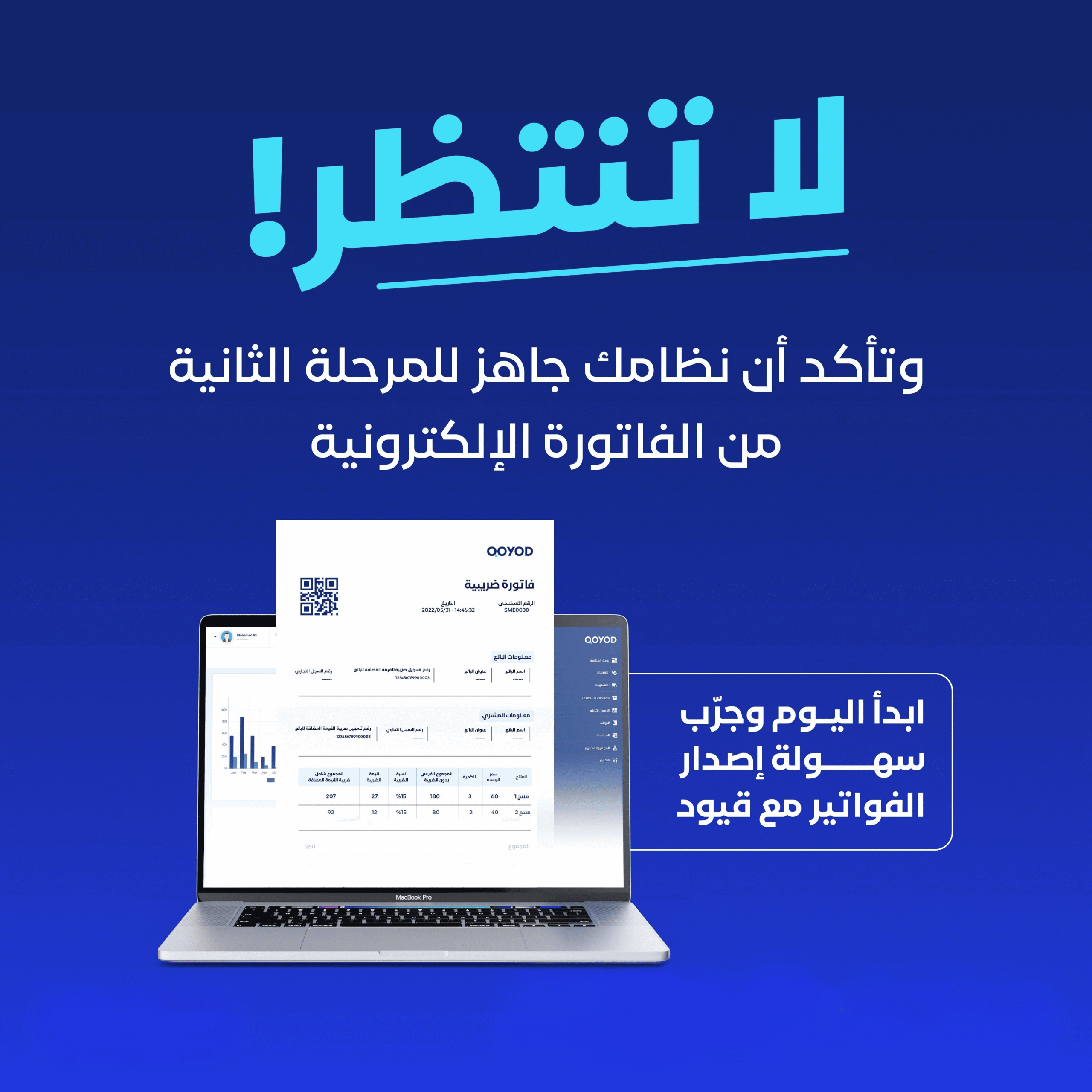
Phase two of ZATCA e-invoicing requires every rent invoice, every service-charge billing, and every management-fee charge to be issued through a certified system connected to the Fatoora platform. Property-management companies in Saudi Arabia issue both B2C simplified tax invoices on individual tenants and B2B tax invoices to corporate tenants and landlords through the Clearance flow. For a side-by-side view of vendor costs, read the guide on e-invoicing pricing in Saudi Arabia.
Every invoice must include the manager name and tax number, a sequential invoice number, the date and time, the tenant or landlord name (with tax number on B2B), an itemized list of services with the unit or building code, VAT at 15% on commercial rent and service charges (with exempt residential rent flagged separately), totals before and after VAT, and a QR code. A certified system generates the QR code, signs the invoice in XML, and transmits it to the Fatoora platform automatically inside the Reporting or Clearance window.
How to evaluate a ZATCA-certified system for property management
When evaluating any e-invoicing vendor for a property-management company, verify these six criteria:
- Official ZATCA phase-two certification with a verifiable approval number on the Authority’s portal.
- Both Reporting (B2C tenant receipts) and Clearance (B2B tenant and landlord invoices) flows in one system.
- Per-line VAT treatment with residential rent flagged as exempt and commercial rent at 15%.
- Unit-code and building-code fields required on every invoice line.
- Long-term cloud storage of signed invoices for at least six years.
- Monthly input-VAT and output-VAT reports ready in time for the quarterly filing deadline.
Where Qoyod fits in specifically for property management
Qoyod brings together, inside one account: cloud accounting with landlord and building dimensions, trust-accounting ledgers, tenant rent collection with arrears, service-charge allocation engine, management-fee invoicing, automated landlord statements, ZATCA-approved e-invoicing, payroll, and consolidated reports. Every rent invoice, collection, remittance, deposit movement, service-charge billing, maintenance payment, and fee accrual lands an automatic journal entry inside the same ledger.
The platform handles multi-portfolio property-management companies under one account, with shared master data (landlords, buildings, tenants, COA), role-based permissions per portfolio, and either consolidated or per-portfolio reports. It runs entirely in the cloud, so owners, portfolio managers, and the external auditor share the same numbers from any device.
For property managers winning new contracts or migrating from a legacy property-management system, the setup service and the bookkeeping service are available as part of Qoyod Pro Services, alongside the app marketplace for connecting to property-management-system partners.
Frequently asked questions
Does Qoyod support trust accounting per landlord?+
How does Qoyod handle landlord statements?+
Can Qoyod manage service-charge allocations?+
Does Qoyod automate management-fee invoicing?+
Does Qoyod work for multi-portfolio property managers?+
Is technical support available 24/7?+
Running a property-management company does not need a generic accounting tool, it needs an operating ledger that ties trust accounting, rent collection, service charges, management fees, and ZATCA e-invoicing together inside one account. The managers that consistently scale are the ones that see trust positions and landlord statements every week. That capability is what makes Qoyod the right fit for property-management companies in Saudi Arabia.