• Qoyod Accounting
      • Qoyod Accounting

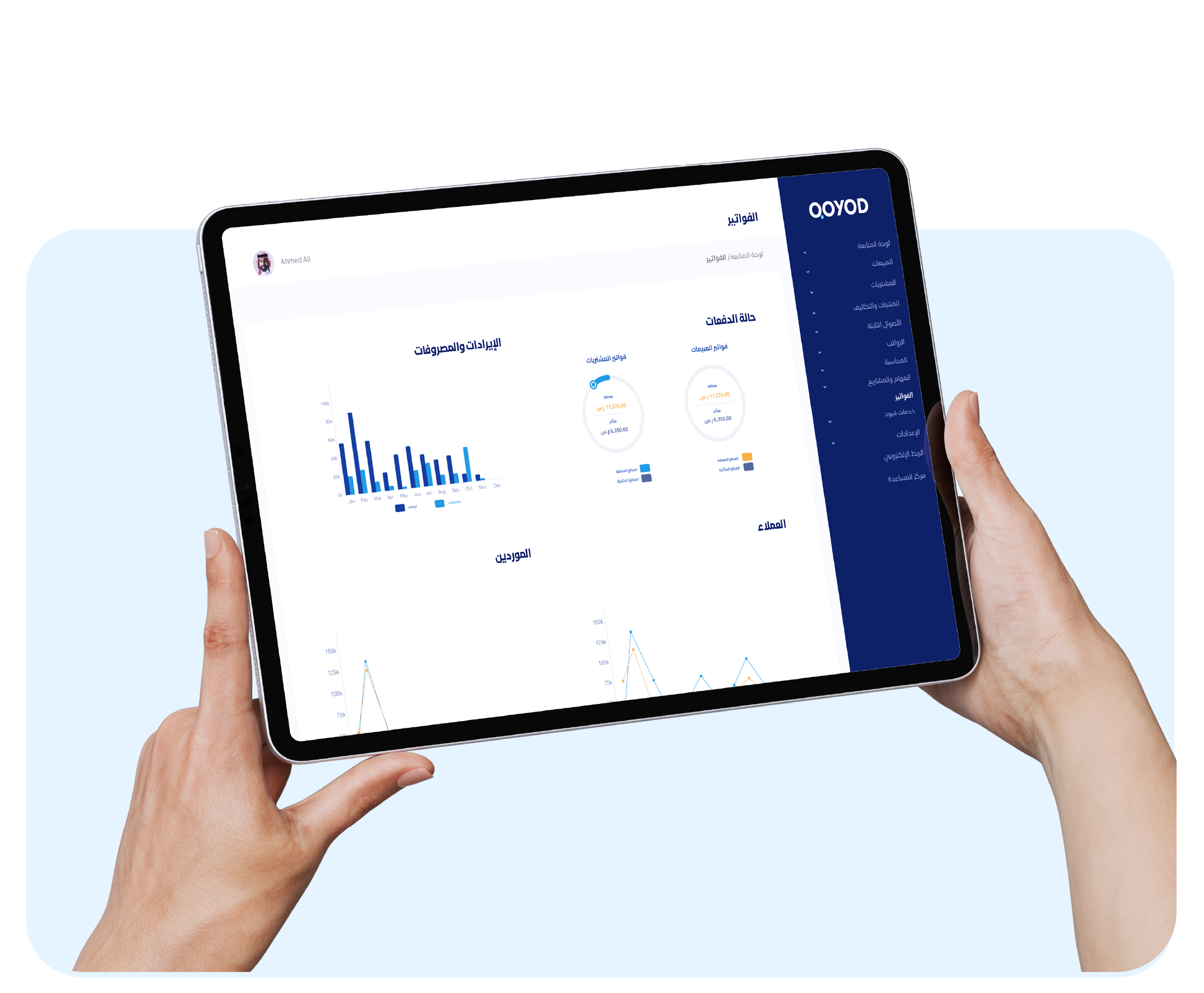
        A cloud-based accounting software that helps business owners streamline all accounting processes for companies, by managing sales, inventory, and issuing financial reports

        Know More

    • Pro services
      • Pro services

        A service designed to help business owners fulfill their financial and accounting requirements, such as bookkeeping, tax filing, and more.

        Know More

    • E-Invoice
      • E-Invoice

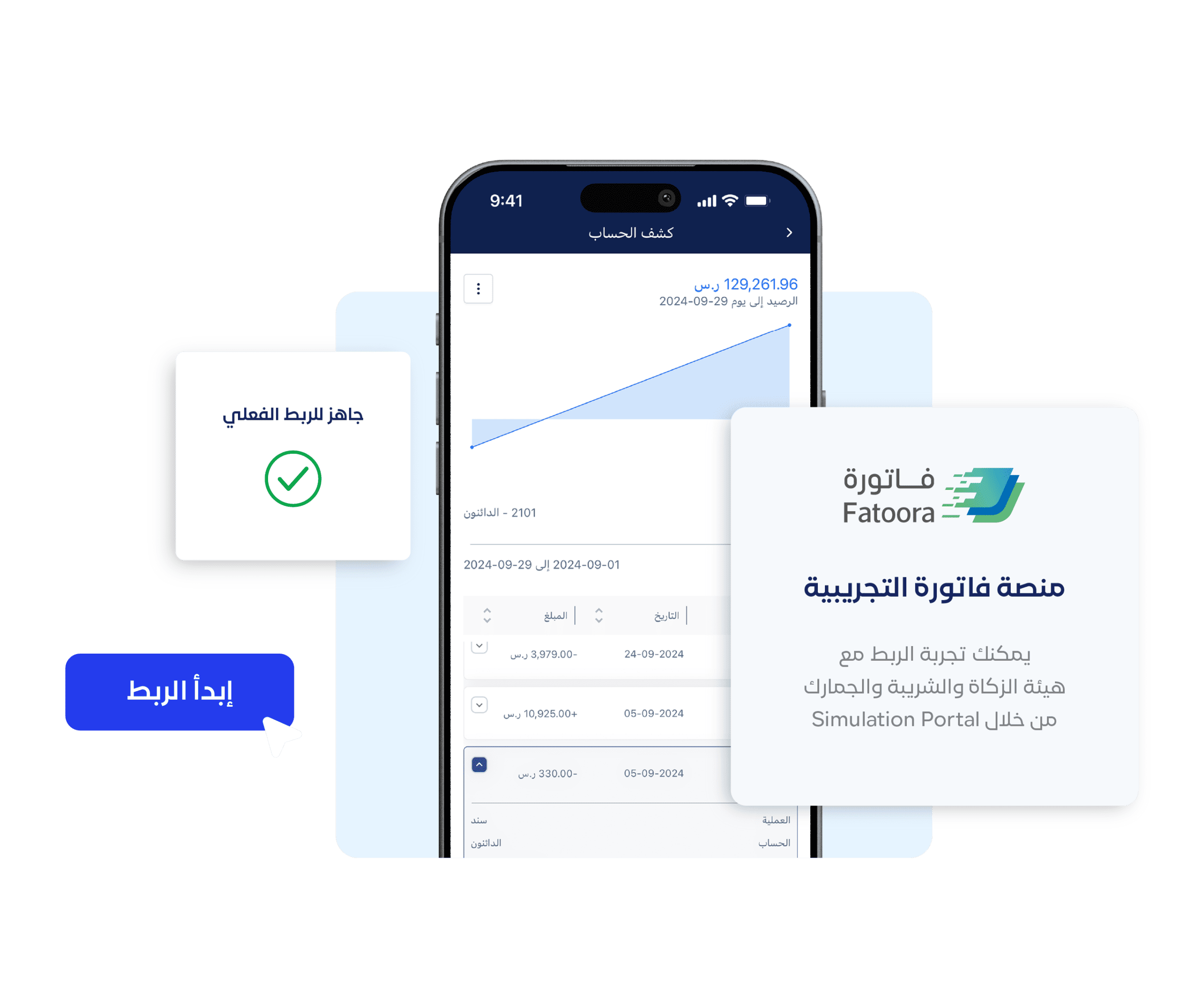
        Simplify your financial transactions with Geidea integration, allowing seamless payment processing and cash flow management.

        Know More

    • Integrations
      • Integrations

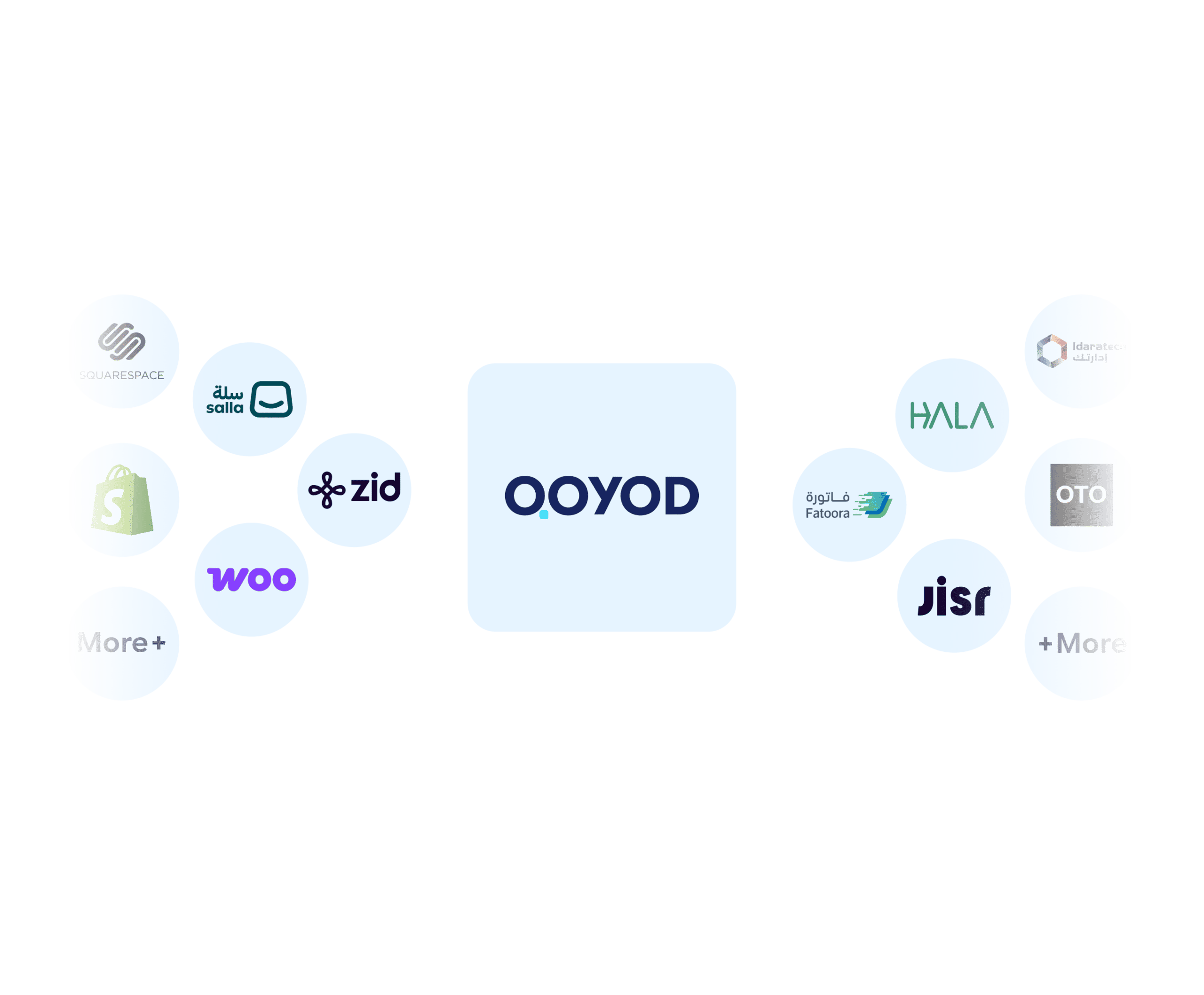
        Expand your Qoyod capabilities with integrations to your favorite tools for more efficiency.

        Know More

    • Blog
      • Qoyod Blog

        Explore rich articles and topics on accounting and business management to enhance your skills and stay up-to-date with industry trends.

        Know More

    • Help Center
      • Help Center

        If you have any inquiries or questions about Qoyod solutions and services, our help center has a variety of educational articles and videos to help and guide you.

        Know More

    • Newsletter
      • Monthly Newsletter

        Subscribe to our monthly newsletter for the latest news, updates, and valuable tips delivered straight to your inbox.

        Know More

    • Partnership
      • Partnership

        Discover the types of partnerships offered by Qoyod

        Know More

    • Vat Calculator
      • TAX Calculator

        Accurately and effortlessly calculate your tax with Qoyod’s advanced TAX Calculator, helping you stay compliant with the Saudi ZATCA requirements.

        Know More

Sales Forecasting: The Global SME Guide to Future Profit & Growth


(Excerpt):

The secret behind successful business decisions is mastering Sales Forecasting. Learn how to transform data from your digital and e-invoicing systems into strategic, actionable plans for your company’s long-term growth and stability.

Have you ever wondered how successful companies manage to make bold and correct decisions related to inventory management, staffing, or even geographic expansion into new markets? The secret lies in mastering the skill of Sales Forecasting. This vital process is not a random guess of numbers; rather, it is a data-driven action plan that ensures the continuity of Small and Medium-sized Enterprises (SMEs) against market fluctuations.

If you are a business owner or a financial manager, planning for the future is essential. With the rapid development of regulatory frameworks, such as mandatory e-invoicing systems enforced by national tax authorities, financial data is more accessible than ever before. This is where the journey of accurate Sales Forecasting begins. It helps you convert raw data into actionable insights, ensuring your company’s growth and financial security. Are you ready to turn projections into real profits? We will provide you with a comprehensive, practical, step-by-step guide.

What is Sales Forecasting and Why is it Critical for SMEs Globally?

No business, whether a small retail store or a large technology firm, can sustain growth without a clear vision of the future. Sales Forecasting is the tool that provides this vision. It represents the intersection between historical data and ambitious plans, making it the foundation for operational and financial planning.

A Simple Definition of Sales Forecasting

Sales Forecasting is the process of estimating a company’s expected revenues for a specific future period (such as the next quarter or fiscal year). This estimate is based on a combination of historical sales data, current market trends, and the company’s own sales and marketing plans. The primary goal is not just to know “how much we will sell,” but to know “exactly how much we will sell” so the company can make precise resource decisions. For businesses using advanced cloud accounting software, the accuracy of this data is significantly enhanced.

How Accurate Forecasting Impacts Business Decisions

In a market characterized by rapid change, accurate Sales Forecasting becomes a decisive factor in:

How Accurate Forecasting Impacts Business Decisions

  • Human Resources and Staffing: If you anticipate significant sales growth, you will know in advance your need to hire more staff for your customer service or sales team in key business centers.
  • Financial Planning and Budgeting: It provides the basis for setting a realistic budget. Based on the sales forecast, you can set spending limits on marketing or product development, ensuring cost efficiency.
  • Tax Compliance: Accurate sales projection gives you approximate figures for revenue, which aids in the preliminary estimation of corporate and sales tax obligations before the end of the year, avoiding financial surprises.
  • Inventory Level Determination: Whether you sell tangible products or services, the forecast helps manage inventory and purchasing efficiently, reducing high storage costs in urban areas.

Also Read:The Art of Financial Forecasting

Key Methods and Techniques for Sales Forecasting

To achieve accurate and reliable projections, companies rely on two main approaches in Sales Forecasting: quantitative methods focused on numbers, and qualitative methods based on human experience and market intuition. Each method has its advantages and disadvantages, and integrating them yields the best results.

Quantitative Forecasting: Using Historical Data and Numbers

Quantitative forecasting is the most objective method, relying entirely on documented data collected by your cloud accounting system. This approach gains particular importance due to the highly accurate data generated by mandatory digital invoicing compliance.

  • Time Series Analysis: Studying the behavior of sales in past periods. If a retail store records continuous growth of 5% quarterly, this trend can be projected to continue. This method is useful for detecting seasonality (such as peaks during holidays or back-to-school periods).
  • Regression Analysis: Attempting to link sales to measurable external factors. Example: Predicting a real estate company’s sales based on changes in interest rates or the volume of mortgage loans granted.
  • Moving Average: Calculating the average sales for a specific number of previous periods (e.g., the last 6 months) and using it to predict the upcoming period. This technique smooths out sharp fluctuations and reveals the general trend more clearly.

Qualitative Forecasting: Relying on Expertise and Local Market Knowledge

Despite the power of data, the human element and deep understanding of the local market cannot be ignored. Qualitative forecasting relies on opinions and judgments when historical data is scarce, such as when launching a new product or expanding into a new territory.

  • Sales Force Opinion: Collecting estimates directly from field sales representatives. A sales manager for a specific region, for instance, may have a better feel for competitors and market conditions compared to centralized data.
  • Buyers’ Intention Survey: Conducting surveys to gauge the intent of potential customers. Do they plan to purchase the best accounting software in the next six months?
  • Delphi Method: Consulting industry experts, both internal and external, about market trends, especially regarding the potential impact of new government regulations or major projects.

Which is Best for Global SMEs?

For Small and Medium-sized Enterprises (SMEs) aiming for sustained growth, combining both methods is the optimal solution.

  • Use Quantitative Forecasting as a baseline and starting point, relying on the accurate sales data provided by your accounting system.
  • Use Qualitative Forecasting to adjust this projection. If the numbers show slow growth, but you have strong marketing plans or anticipated positive regulatory changes, experts should adjust the forecast upward.

This blend ensures your projections are realistic, data-supported, and adaptable to the unique dynamics of your market.

Tools and Software for Sales Forecasting

Reliance on digital tools has become crucial for achieving accurate Sales Forecasting. Manual spreadsheets are no longer sufficient to keep pace with the volume of transactions and required reports. The essence of successful prediction lies in the quality and reliability of historical data, which is only available through an integrated cloud accounting system designed to meet modern business needs. These tools transform complex invoicing and expense data into clear, analyzable insights.

How Qoyod Accounting Software Helps Analyze Sales Accurately?

Qoyod Accounting Software is an example of a solution designed to serve SMEs globally. Qoyod provides the necessary infrastructure to ensure your Sales Forecasting process is built on reliable facts and figures:

How Qoyod Accounting Software Helps Analyze Sales Accurately

Comprehensive and Analytical Sales Reports:

  • Qoyod offers advanced reports that break down aggregate data into analyzable segments, such as “Sales Analysis by Product” to identify best-selling goods, or “Sales Analysis by Region.”
  • These reports facilitate the application of the Time Series Analysis method, allowing you to extract past sales data rapidly to identify seasonal patterns or continuous trends (e.g., the impact of holiday seasons on your sales in different regions).

Inventory Management Linked to Forecasting:

  • Qoyod automatically and instantly records inventory movement with every sale. This accurate data is the foundation for future Sales Forecasting.
  • This direct link enables you to forecast not only revenue but also the required quantities of each item to avoid stockouts, which is vital, especially for businesses dealing with fast-moving goods in key business centers.

Ease of Use and Cloud Access:

  • As a cloud accounting system, you can access sales data and reports from anywhere, accelerating the review and decision-making process.
  • This makes it the ideal choice for businesses seeking accounting solutions without requiring deep accounting expertise, as raw data is transformed into actionable insights for future projections, ensuring the accuracy of your financial forecasts.

Practical Steps to Implement Sales Forecasting in Your Company

Achieving accurate sales forecasts is a systematic and well-thought-out process, not magic. Businesses need to follow clear steps to ensure financial data is converted into strategic plans. These steps help improve financial planning and determine the necessary resources for growth.

1. Data Collection and Past Performance Analysis

The past is the best indicator of the future. Before starting any forecast, you must refer to your financial and accounting records.

  • Clean and Classify Data: Use your accounting system (like Qoyod) to extract sales records for at least the past two years. Ensure you exclude any “anomalous sales” (large, non-recurring deals) or recording errors that could affect the forecast accuracy.
  • Analyze Performance by Channel: Don’t just analyze total sales. Analyze performance by sales channel (e-commerce store, physical locations, sales representatives). This helps you identify where strengths and weaknesses are concentrated.
  • Identify Seasonal Trends: Do your sales increase in the summer due to holidays? Do sales drop in a specific month? These seasonal patterns must be integrated into your Sales Forecasting model to avoid surprises.

2. Determine Factors Influencing Sales (Seasons, Promotions, Geography)

Sales are not only affected by internal performance but also by the surrounding external environment. These factors must be included in your calculations when setting projections:

  • Promotions and Marketing Campaigns: Evaluate the impact of special offers you have provided in the past. If a “National Day” campaign increases your sales by 30%, this variable must be entered into your forecasts for the coming year.
  • Geographic Region and Local Market: Your projections should reflect the differences between regions. For example, purchasing power in one city may differ from another. If you plan to expand into a new area, you must build your forecasts on a careful study of competitors and demand volume in that region.
  • Major Economic Factors: Monitor changes in interest rates or any new regulatory decisions that may affect the market. These variables fall under “Overall Market Outlook” and impact your company’s growth.

Read also: Integrated sales software for company management from Qoyod

  1. Develop a Sales Plan Based on Realistic Projections

Once you have accurate quantitative and qualitative projections, it’s time to translate them into an action plan:

  • Set Measurable Goals: Define a monthly and quarterly target for each sales team and geographic area. These goals must be realistic and based on the projected figures, not just hopes and ambitions.
  • Allocate Resources: Based on the Sales Forecasting plan, allocate the budget for marketing, inventory, and staff count. If you predict 20% growth, you must allocate additional resources to support this growth.
  • Regular Review and Adjustment: The forecasting model should be updated monthly or quarterly. Always compare actual sales with projections. If there is a significant deviation, analyze the reason (Was the projection exaggerated? Was competition the cause?) and adjust future projections to improve accuracy.

Key Challenges Facing Businesses in Sales Forecasting

Despite the importance of Sales Forecasting, businesses in the global market face unique challenges that threaten the accuracy of their projections:

1. Lack of Accurate Data (Historical Data)

  • The Challenge: Many SMEs rely on manual or non-standardized records across their branches. This leads to “unclean data” that cannot be relied upon for quantitative analysis.
  • The Solution: Invest in a reliable cloud accounting system (like Qoyod) to ensure every transaction is recorded automatically and data is unified, which lays the foundation for reliable Sales Forecasting.

2. Changing Customer Behavior (Digital Transformation)

  • The Challenge: The rapid shift of consumers toward e-commerce and the influence of digital marketing make traditional prediction of buying behavior difficult, especially with the variance in sales between physical and digital stores.
  • The Solution: Integrate qualitative factors into forecasting models, studying the impact of digital marketing campaigns and comparing the performance of different sales channels (traditional vs. e-commerce).

3. Local Economic and Regulatory Fluctuations

  • The Challenge: The dynamism of national economies and major regulatory transformations, in addition to sudden changes in tax systems (like VAT), create an unstable environment for long-term projections.
  • The Solution: Rely on “Sensitivity Analysis” (setting multiple scenarios: optimistic and realistic) and update projections monthly to keep pace with any new government decisions or market fluctuations.

Best Practices for Improving Sales Forecasting Accuracy

To convert projections into near-guaranteed targets, businesses must adopt modern technological and methodological practices:

Best Practices for Improving Sales Forecasting Accuracy

1. Rely on Advanced Analytics and Artificial Intelligence

  • De-biasing: Use AI tools to move beyond human guesswork and ensure the forecast is objective and fact-based.
  • Pattern Discovery: Advanced tools can discover hidden correlations between your sales and external market factors that traditional spreadsheets might miss.
  • Flexible Scenarios: Building multiple scenarios (best and worst case) helps in rapid preparedness for all eventualities in the local market.

2. Periodic Review and Data Linkage to Your Accounting System

  • Real-time Update: Projections must be reviewed and adjusted frequently (monthly). Link the forecasting process to your cloud accounting system (like Qoyod) to obtain accurate sales data in real-time.
  • Leverage E-Invoicing Data: Utilize the verified and reliable data from your e-invoicing system approved by the tax authority as a solid ground for your quantitative projections.
  • Budget Adjustment: Use updated forecasts to continually adjust financial planning and operational budget plans, ensuring cash flow efficiency.

Investing in technology and adopting a data-driven culture are the only guarantees for businesses to maintain accurate forecasts.

Regulatory Compliance and its Role in Sales Forecasting Accuracy

Compliance with governmental regulations is not a burden; it is a key to obtaining clean and realistic data, which is the basis for any successful Sales Forecasting.

1. The Role of the Tax Authority in Supporting Digital Transformation

  • Ensuring Data Integrity: Thanks to the e-invoicing system, sales recording has become standardized and digital, removing manual errors and ensuring all your financial data is accurate and legal.
  • Solving Data Deficiency: Unifying records ensures companies possess accurate and reliable historical data, which is the essential raw material for quantitative forecasting.

2. The Importance of Linking Sales Forecasting with E-Invoicing Data

  • Confirmed Sales: The data from the e-invoicing system represents legally and digitally confirmed sales, meaning your forecasts rely on solid, 100% reliable facts.
  • Daily Performance Monitoring: Linking invoicing data to your accounting system (like Qoyod) allows for comparing daily performance with projections. If you notice a deviation in sales for a specific branch, you can intervene immediately.
  • Obligation Planning: Forecasting built on e-invoicing data helps accurately estimate your future tax and regulatory obligations, improving financial planning and cash flow.

New regulations have provided your company with a solid foundation and clean data, making the process of Sales Forecasting more scientific and less reliant on guesswork.

Read also: E-Invoicing in Saudi Arabia: A Comprehensive Guide to Implementing the System and Achieving Full Compliance

Frequently Asked Questions About Sales Forecasting (FAQ)

What is Sales Forecasting and How does it Differ from Goal Setting?

Sales Forecasting is the process of estimating expected future revenue based on historical data and market analysis. Goal setting is determining what the company "wants" to achieve (ambitions). Forecasting tells you what is probable and realistic, while goals tell you what is desired.

What are the Main Challenges to Forecasting for SMEs?

The main challenges are the lack of accurate historical data in smaller companies, the rapid change in consumer behavior due to digital transformation, and economic volatility that requires setting multiple forecast scenarios.

Should Businesses Rely on Quantitative or Qualitative Forecasting?

Answer: The best approach is a combination (the mix). Quantitative Forecasting sets the baseline with numbers (historical sales), while Qualitative Forecasting (sales team expertise) adjusts this baseline to account for upcoming promotions or local competition.

How does the E-invoicing System Help in Forecasting?

The e-invoicing system ensures your sales data is correct, unified, and 100% reliable because it adheres to tax authority standards. This clean data is the basis for any accurate quantitative analysis for your projections.

What is the Role of Accounting Software like Qoyod in Improving Forecast Accuracy?

Qoyod provides the infrastructure for clean, unified, real-time data. It also offers detailed sales reports (by product and region), making it easier for you to identify seasonal patterns and underlying trends for the forecast.

How Often Should Sales Forecasts Be Updated?

It is preferable to update forecasts monthly, not annually. Monthly updates allow you to compare actual sales with projections and intervene quickly to correct the course or adjust marketing and purchasing plans.

How can Forecasting be Used to Reduce Operational Costs?

Accurate forecasting enables you to know the exact required inventory quantity, which prevents unnecessary accumulation of goods (reducing storage costs) or running out of stock (avoiding lost sales). It also helps plan for hiring temporary staff only during peak periods.

Conclusion: Sales Forecasting is Your Key to Controlling the Future

Sales Forecasting is no longer just an administrative luxury; it is an imperative necessity for business growth and sustainability amidst global economic shifts. We have seen how accurate prediction guides your decisions, from financial planning and inventory management to compliance with tax authority regulations.

Key Takeaways to Remember:

  • Data is the Foundation: Always use the Quantitative Forecasting method (number analysis) supported by clean and reliable data.
  • Expertise Completes the Picture: Adjust your quantitative forecasts based on sales team expertise and unique market trends (Qualitative Forecasting).
  • Leverage Systems: Benefit from the confirmed data provided by your e-invoicing system to ensure the accuracy of your projections.
  • Continuous Review: The Sales Forecasting model must be updated periodically to keep pace with economic fluctuations and changing customer behavior in key business centers.

The ability to see the future financially is what separates leading companies from their competitors. Utilize the available technology to simplify this process and ensure the accuracy of your results.

Try Qoyod Accounting Software now to make your business operations easier and more accurate with solutions designed for modern businesses.

Resources and References:

For more detailed and accurate information on the regulatory environment and digital transformation, you can refer to the following sources:

  • International Financial Reporting Standards (IFRS)  
  • Organisation for Economic Co-operation and Development (OECD)
  • Zakat, Tax and Customs Authority (ZATCA)
  • Small and Medium Enterprises General Authority (Monsha’at)
Scroll Circle Indicator
0%

Recent Articles

Top Articles

Written by

Tags

Share this article on

Register in Newsletter !

SIMILAR POSTS

More From Qoyod Blog